Wood-fired vs electric sauna: which costs less?
Wood looks cheaper up front and pricier to run. That's mostly right, with one big exception: wood skips the electrical bill entirely.
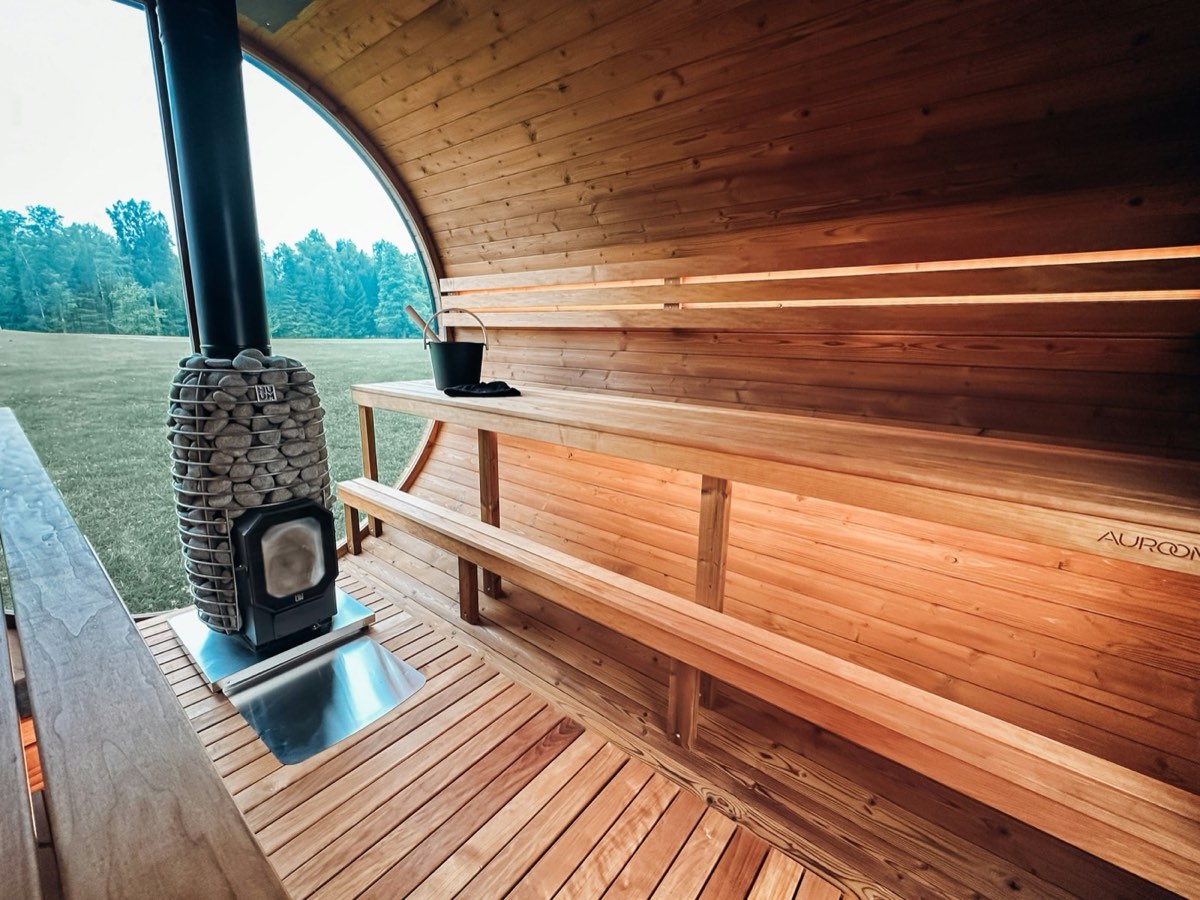
Upfront
| Item | Electric | Wood-fired |
|---|---|---|
| New 240V circuit | $500–3,000 | $0 |
| Possible panel upgrade | $1,800–5,000 if your panel is full | $0 |
| Chimney kit | $0 | ~$899 (example kit) |
| Chimney installation | $0 | $300–600 if you hire it out |
Electrical ranges from installation guides; chimney figures from one maker's kit.[3][2] If your sauna spot is far from the house, or your panel is maxed out, wood can save thousands on day one.
Per session
One owner who runs both a 9.6 kW electric heater and a wood stove reports electric sessions under 50 cents at his very cheap winter power rate (about 3 cents per kWh in Georgia). He estimates California rates would cost about 10 times as much. On the wood side, he burns about half a bundle per session at $5–7 a bundle, so roughly $2.50–3.50.[1]
So with bought firewood, wood usually costs more per session than electric. If you have your own free wood, it flips. Use the calculator with your own electricity rate and firewood price.
Heat-up
It depends on the stove and how you build the fire. In that same owner's test, the wood stove reached 200°F+ in about half the time of the 9.6 kW electric heater, which took 45–60 minutes.[1] Other sources report wood as slower. Electric is the one you can start from your phone; wood means tending a fire.
The catch: permits and insurance
Upkeep
Budget roughly $50–100 a year for chimney cleaning supplies and gaskets.[2] You'll also need somewhere dry to keep the wood.